Booking choice: The Confluencia camp hike, ★ 5.0 (18). Check dates Compare the options below
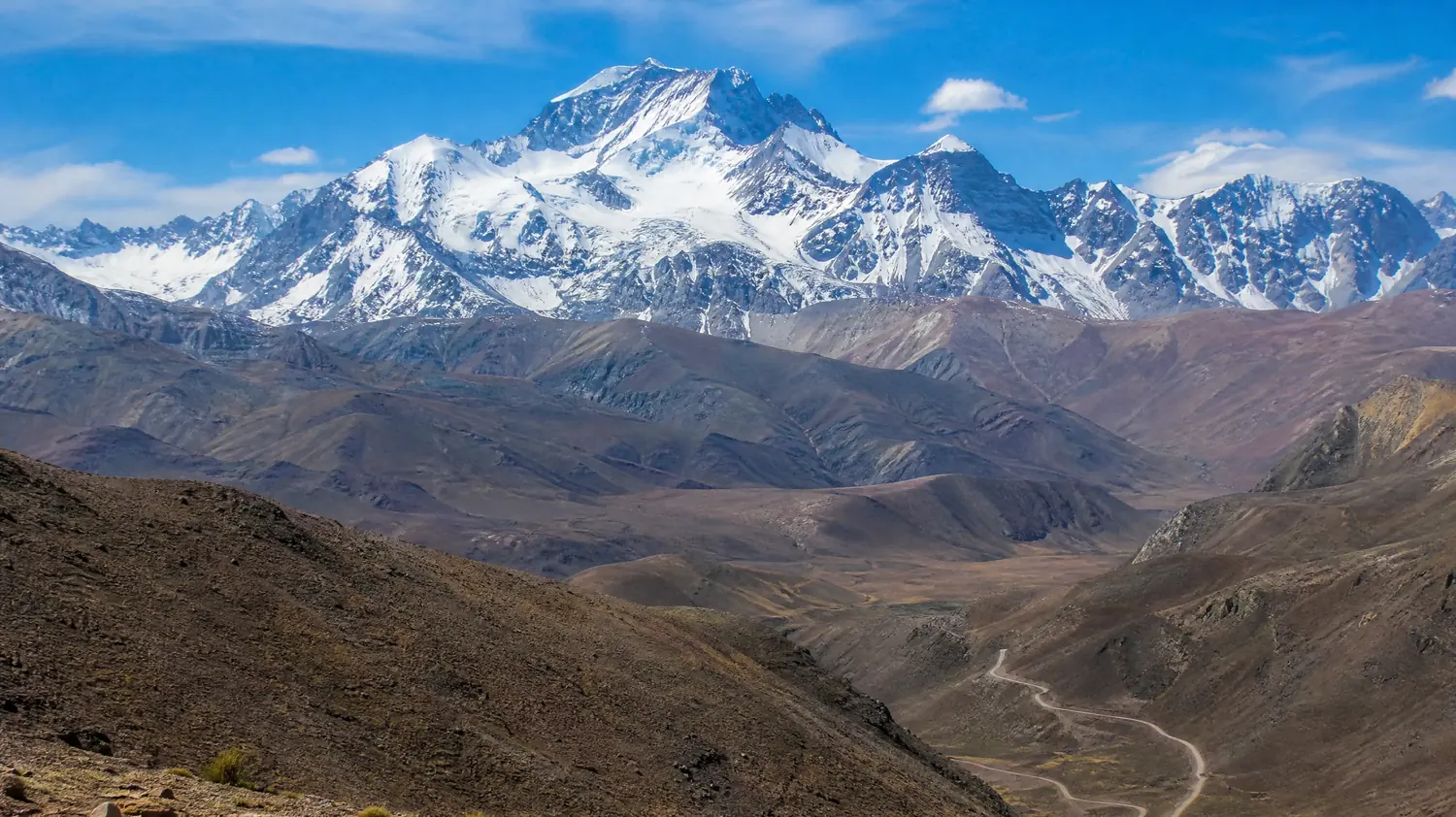
Aconcagua, at about 6,961 m, is the highest mountain outside Asia, and people ask how hard it is to hike it as if there were one answer. There are really three levels. You can walk around a lagoon at the park entrance on a day tour, hike into the park for a day or a few days, or join a summit expedition that takes most of a month. The first two are hiking; the third is climbing, and the difference matters more than on almost any other famous peak.
This guide rates each level, then answers the questions people ask before committing: how hard the summit climb is, what the altitude does to you, whether you need oxygen, how cold and windy it gets, how many people reach the top, how safe it is and how to train. How long each option takes is in how many days to climb Aconcagua; permits and guides are in the permits guide.
The quick answer
Three levels, three kinds of trip. The Laguna de Horcones loop (about 2 km, 1.5 hours, around 2,900 m) is an easy walk that feels harder than it looks because of the altitude. The Confluencia day hike (6 to 8 hours return, about 500 m of height gain, to about 3,400 m) and the 3-day Plaza Francia trek (to about 4,000 m) suit fit hikers; the 7-day trek to Plaza de Mulas base camp (about 4,300 m) needs a licensed outfitter. The summit is a climbing expedition of 18 to 21 days: non-technical on the Normal Route, but the air near the top holds about 40 percent of the oxygen at sea level, summit temperatures drop below -20 °C and wind can stop you for days. No supplemental oxygen is used except in emergencies, around a third of summit attempts succeed, and the climb is safe with good preparation: slow acclimatisation, the right gear, a reputable outfitter, rescue insurance and the park doctors' checks.
How hard is it to hike Aconcagua?
The hiking is moderate: the lagoon loop is easy and the day hike to Confluencia is a long day on a good path. Only the summit is hard, and it is a climbing expedition rather than a hike.
The table below separates the six things people mean by hiking or climbing Aconcagua. Altitudes are the highest point you reach; times are for the whole outing. Every level from the Confluencia hike upwards needs a park permit, and trekkers may not go above about 4,300 m: anything higher is a climb with an ascent permit.
| Level | Where | Altitude | Time | Difficulty | Who it suits |
|---|---|---|---|---|---|
| Laguna de Horcones loop | From the Horcones park entrance | Around 2,900 m | About 1.5 hours, 2 km | Easy walk; the altitude makes it feel harder | Anyone on a day tour, families |
| Confluencia day hike | Horcones to Confluencia camp and back | About 3,400 m | 6 to 8 hours return | Moderate: a long day, about 500 m of height gain | Fit hikers aged 16 and over |
| Plaza Francia 3-day trek | Two nights at Confluencia, a day to the South Face viewpoint | About 4,000 m | 3 days | Moderate to hard: camping at altitude | Fit hikers who want the South Face up close |
| Base-camp 7-day trek | Horcones to Plaza de Mulas and back | About 4,300 m | 7 days | Hard: long days, nights well below zero | Strong trekkers, with a licensed outfitter |
| Normal Route summit | Horcones, Plaza de Mulas, three high camps | 6,961 m | 18 to 21 days | Very hard: non-technical, but extreme altitude, cold and wind | Fit climbers with high-altitude experience |
| Polish Traverse | Vacas valley, Plaza Argentina, joins the Normal Route high up | 6,961 m | About 20 days | Very hard: longer and quieter, still non-technical | Climbers who want a traverse of the mountain |
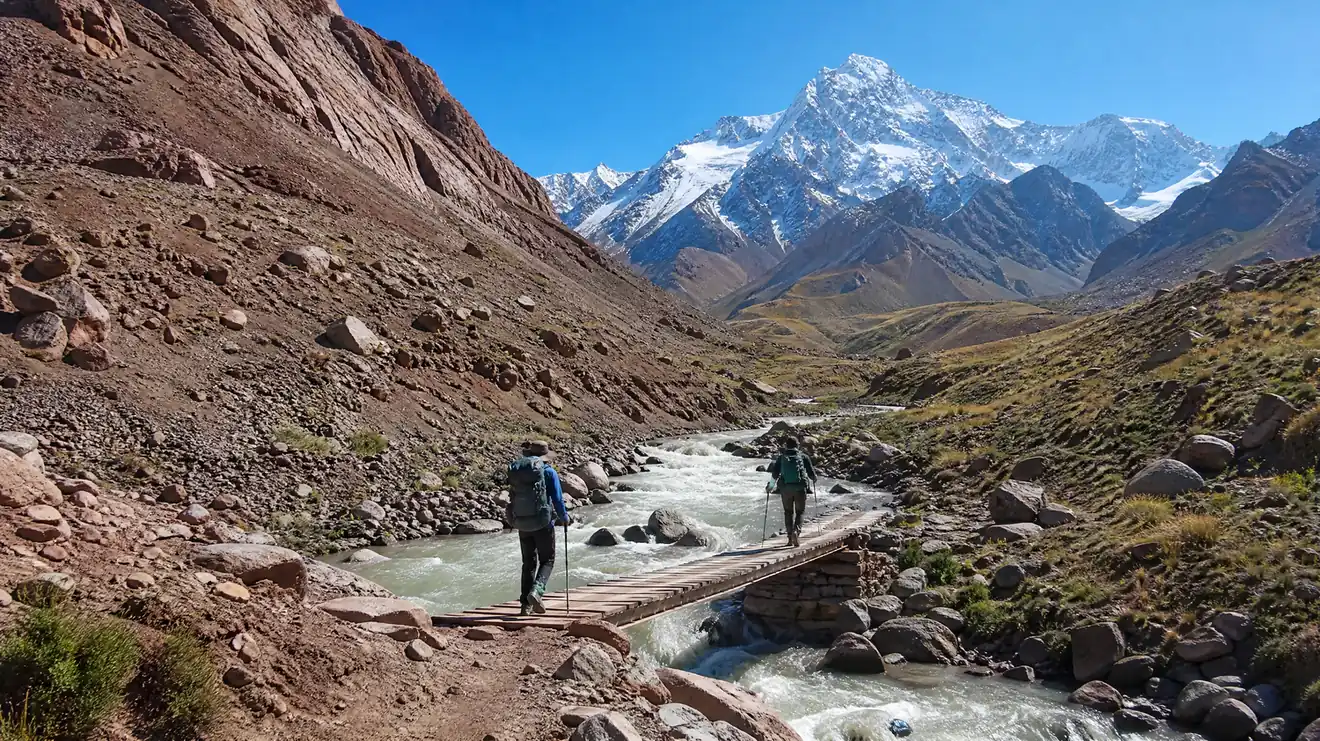
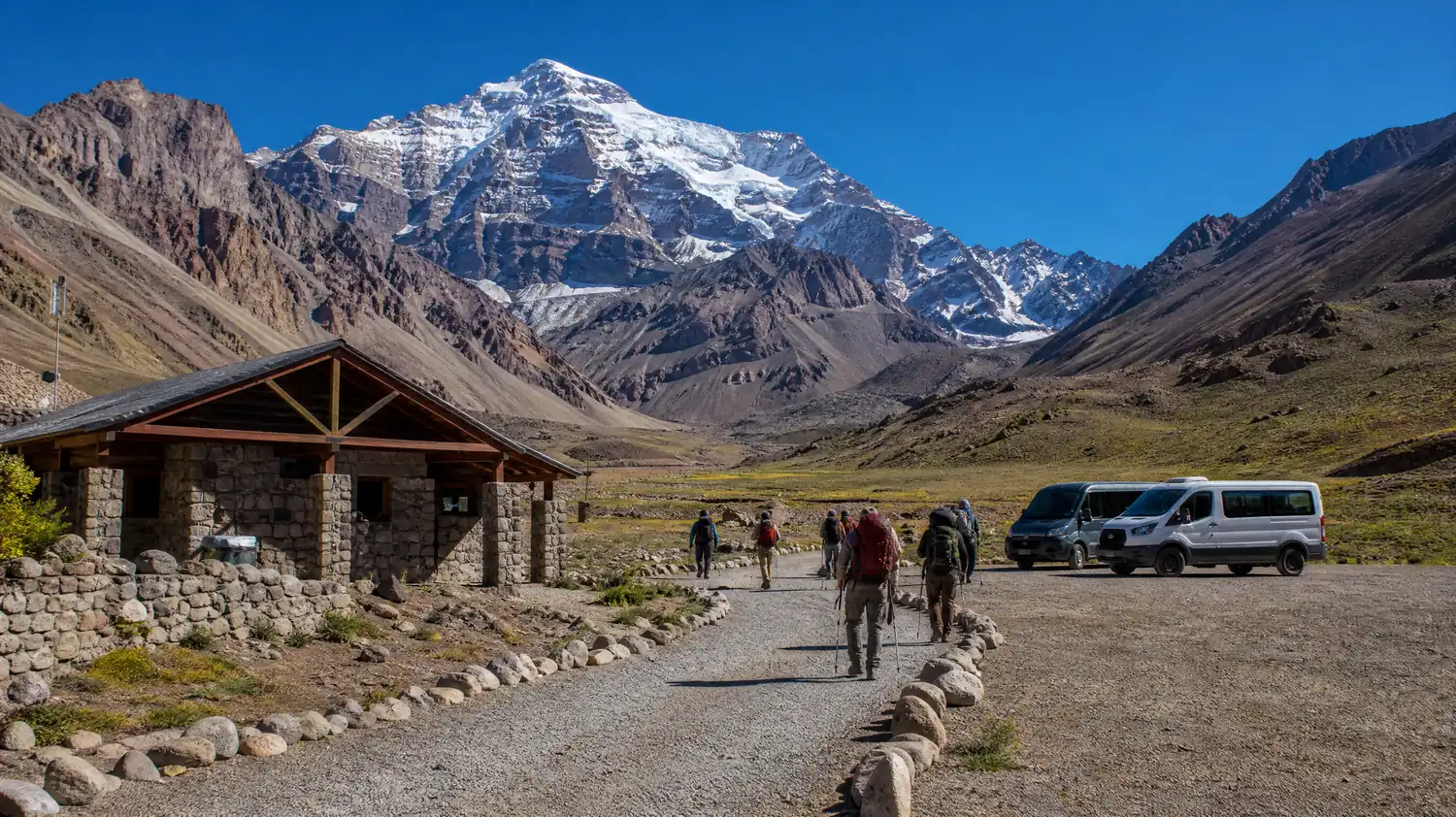
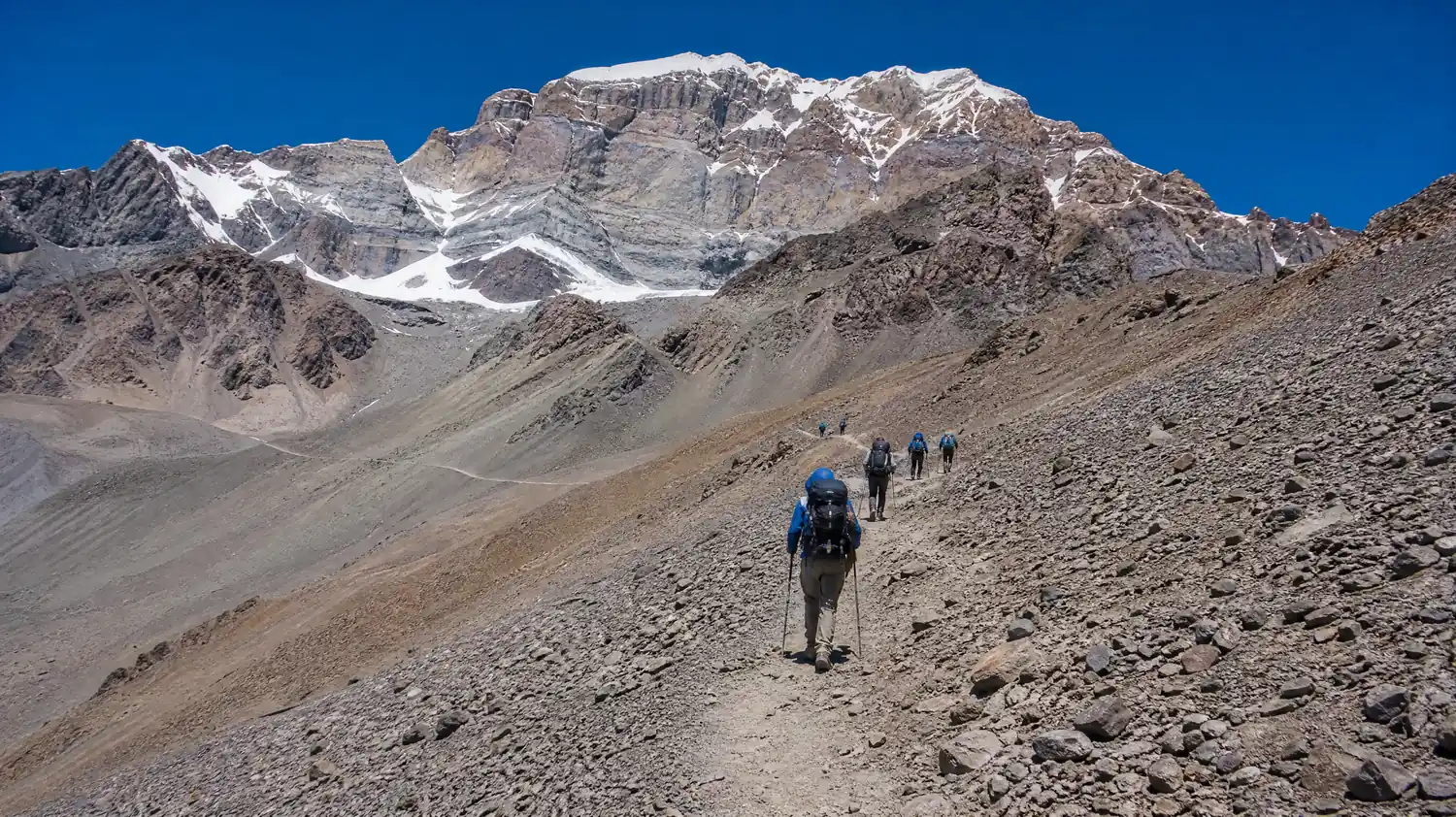
Walk the first stage of the summit route in a day: a private guide, 3 to 4 hours up the Horcones valley to Confluencia camp, and a trail lunch.
Check dates for the Confluencia camp hikeHow hard is climbing Aconcagua?
The Normal Route is non-technical: no rope work in normal conditions, although crampons and an ice axe are carried. It is still one of the hardest non-technical climbs in the world, because of the altitude, the cold, the wind and the length of the expedition.
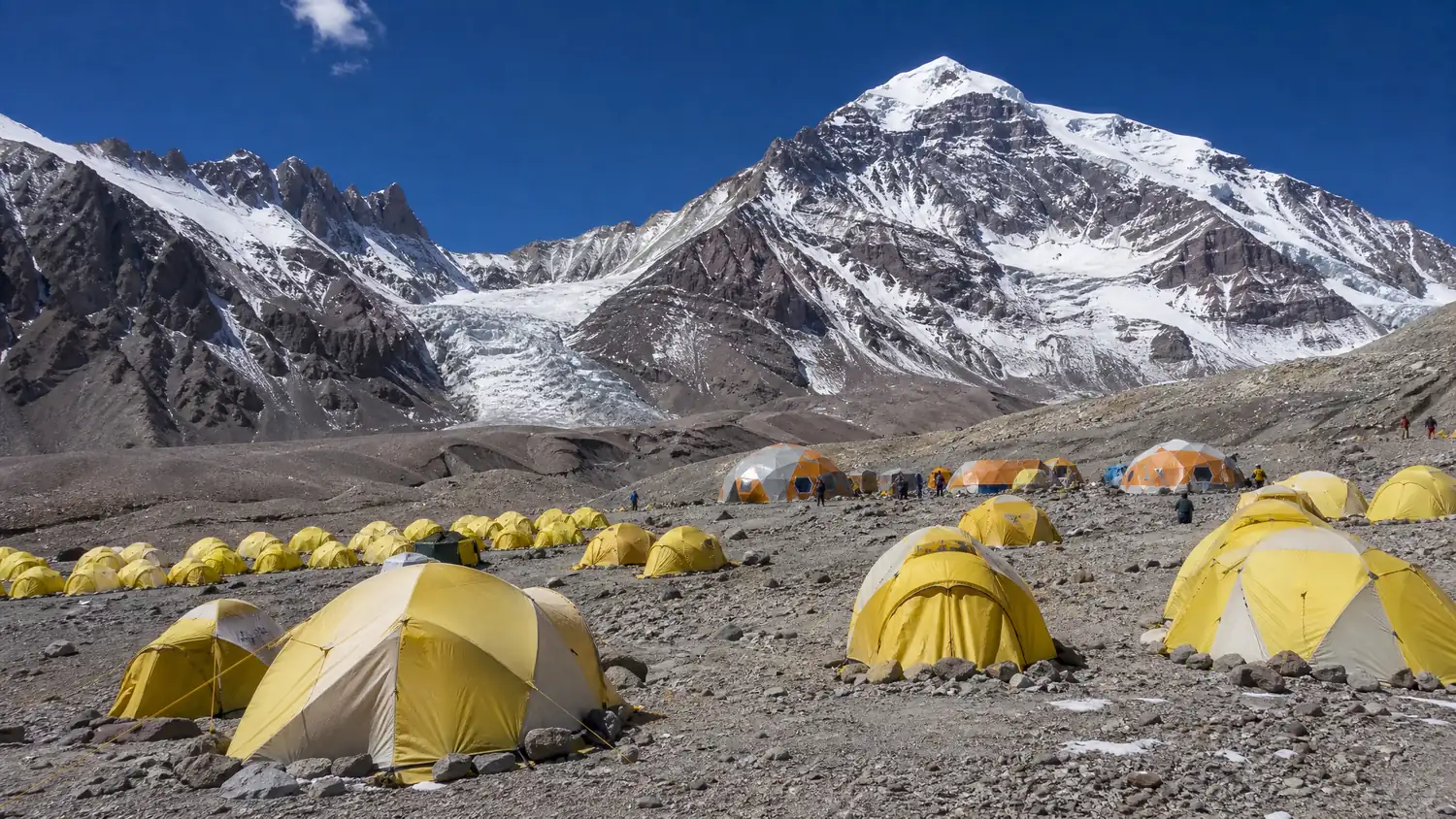
From Plaza de Mulas base camp, climbers move up through three high camps, usually Plaza Canadá (about 5,000 m), Nido de Cóndores (about 5,500 m) and Cólera or Berlín (about 6,000 m), carrying loads up and sleeping lower to acclimatise. Summit day passes the Independencia refuge, crosses the Traverse, a long, windy slope, and ends with the Canaleta, a steep gully of loose scree and rock over the last few hundred metres; most outfitters say it takes 10 hours or more from the top camp. The Polish Glacier Direct and the South Face are technical routes on snow, ice and rock, for experienced mountaineers only.
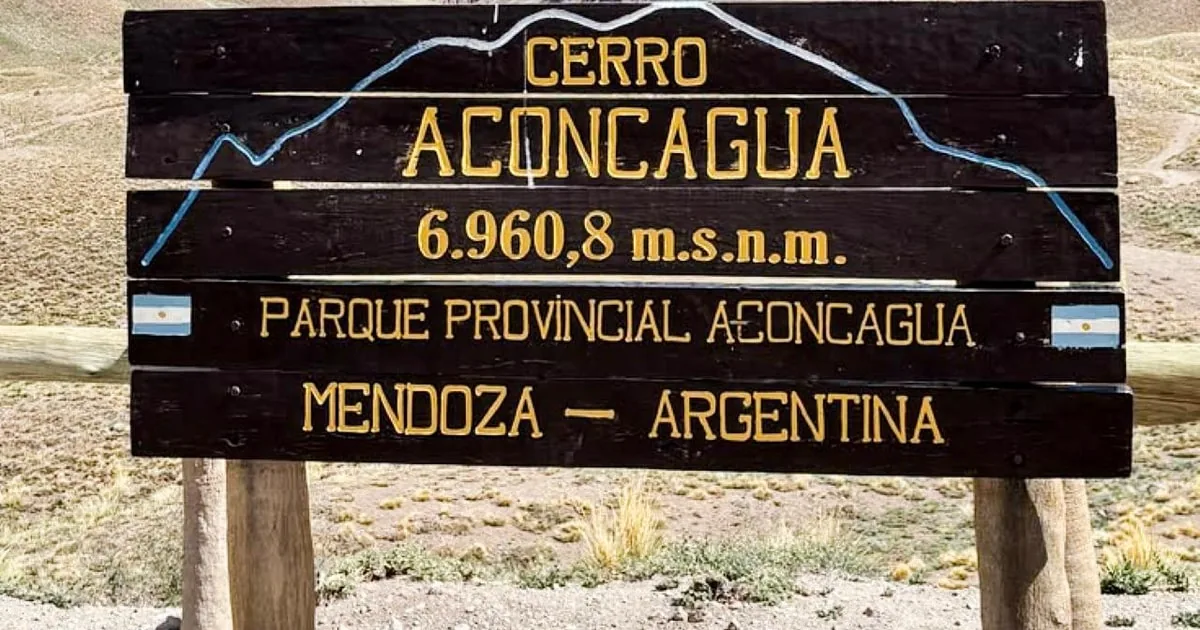
The height you will see quoted varies. Argentina's Instituto Geográfico Nacional measured 6,960.8 m in 2012 with GPS and gravity surveys; the park's own leaflet and many outfitters say 6,962 m, and older books 6,959 m. This site rounds to about 6,961 m. Whatever the figure, it is the highest summit in the Americas.
What does the altitude do to you on Aconcagua?
Almost everyone feels it. Above about 2,500 to 3,000 m, a headache, poor sleep and a lack of appetite are common, and near the summit the air holds only about 40 percent of the oxygen at sea level. Going up slowly is the cure.
Acute mountain sickness (AMS) is the body's reaction to going up faster than it can adapt. The UIAA mountain medicine advice for Aconcagua is simple: above 3,000 m, raise the altitude where you sleep by no more than about 500 m a night, and take rest days. That is why expeditions sleep a night near Puente del Inca before entering the park, stop at Confluencia and walk to Plaza Francia before moving to base camp. Park doctors check oxygen saturation, heart rate, blood pressure and lungs at Confluencia and Plaza de Mulas, and they can stop a climber from going higher; follow their advice.
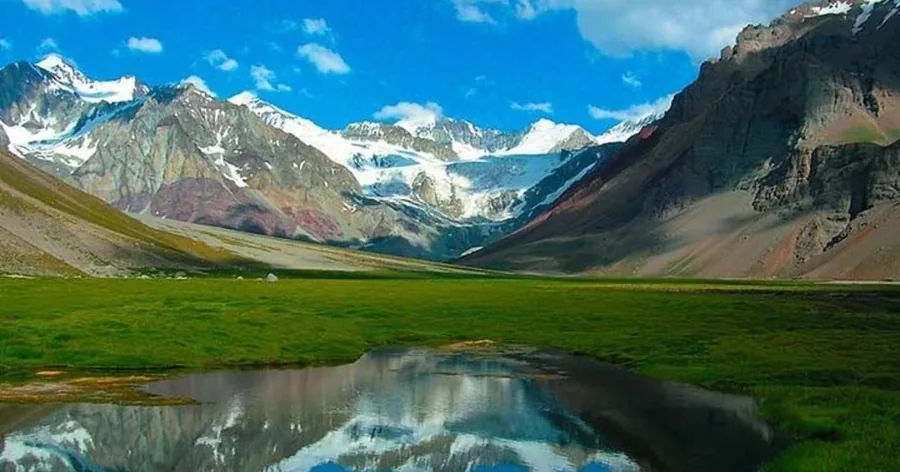
Even the day hikes are at altitude. The Horcones entrance is at about 2,900 m, higher than most Alpine huts, so walk slowly, drink plenty and skip alcohol the night before. A day in the Cordón del Plata or the foothills near Mendoza before the Confluencia hike is a gentle way to test how you react.
Test your legs and your lungs before the big day: 4 to 6 hours on foot in the Cordón del Plata with a mountain guide, above 3,000 m on the higher routes.
Check dates for the Cordón del Plata hikeDo you need oxygen to climb Aconcagua?
No. Aconcagua is climbed without supplemental oxygen; outfitters and the park carry bottled oxygen only for medical emergencies.
At 6,961 m the summit is below the height where most climbers use oxygen, which on the 8,000 m peaks is standard. What you need instead is time: a schedule with enough rest days for your body to make more red blood cells, and spare days so you are not forced up on a bad day. Climbers who try to compress the schedule without being acclimatised already are the ones most likely to turn back.
Some climbers acclimatise at home in hypoxic tents before they travel. That can help, but it does not replace the days on the mountain, and most outfitters still plan 18 to 20 days.
How cold and windy is it on Aconcagua?
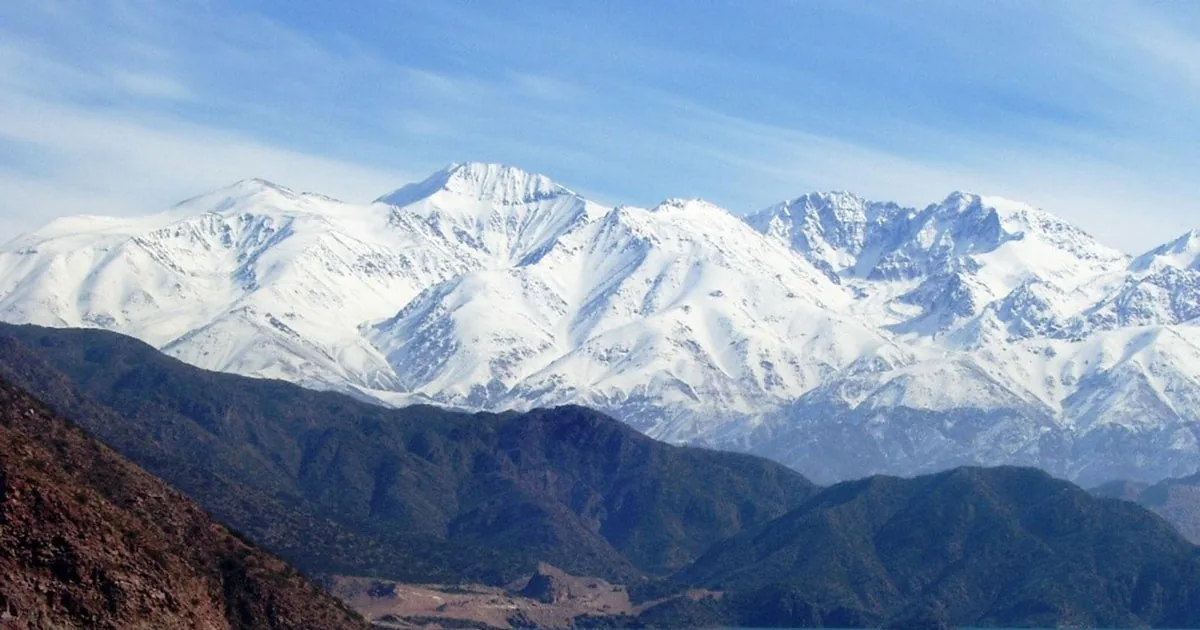
Very. Summer nights at base camp drop to about -10 °C, summit temperatures are typically -20 to -30 °C, and strong westerly winds can make it feel far colder. The wind, more than the cold, decides whether you can go for the top.
Days at Plaza de Mulas can be warm in the sun, roughly 10 to 20 °C, then the temperature falls fast when the sun goes. Higher up, the wind can reach well over 100 km/h. The storm climbers fear most is the viento blanco, the white wind: a front from the Pacific that brings sudden gales, cold and blowing snow, sometimes for several days. That is why every good expedition plan has spare weather days, and why the summit window is mostly mid-December to February.
On the day hikes the weather is kinder but still changes fast. At Horcones and Confluencia in summer, expect strong sun and a cold wind in the same hour; carry a warm layer and a wind jacket even on a clear morning. When to go is covered in the best time to hike Aconcagua.
A guided Normal Route expedition with meals, tents and mules, built for climbers who arrive fit and already acclimatised.
Check dates for the summit expeditionWhat is the success rate for climbing the Aconcagua summit?
Only around a third of people who attempt the summit reach it. Good acclimatisation and a flexible plan with spare weather days make the biggest difference.
Figures vary by source and season, and guided teams usually report higher rates than the overall figure, which includes independent climbers and people who turn back at base camp. The reasons people do not reach the top are consistent: altitude sickness, wind and storms, cold, exhaustion on the long summit day, and schedules too short to wait out bad weather.
- Allow the days: 18 to 21 days from Mendoza gives time to acclimatise and to wait for a calm day.
- Go with experience: a licensed outfitter with guides who know the mountain and set turnaround times.
- Arrive fit: the fitter you are, the more you have left for summit day.
- Listen to the doctors: the medical checks at Confluencia and Plaza de Mulas exist to catch problems early.
What is the death rate on the Aconcagua mountain?
Serious incidents are rare relative to the thousands who climb each season: well under 1 in 1,000 climbers. Most happen high on the mountain, which is why acclimatisation, turnaround times and the park's medical checks matter.
Two peer-reviewed studies in the journal Wilderness and Environmental Medicine looked at every season on record. The first study covered 2001 to 2012 and 42,731 climbers, with a rate of about 0.77 deaths per 1,000; the second study covered 2013 to 2024 and 29,397 climbers, with about 0.71 per 1,000. Most cases were above 6,000 m, climbers over 50 carried a higher risk, and the rate is lower than on Everest or Denali.
The hiking levels are a different world: the lagoon loop and the Confluencia day hike are safe for fit visitors who respect the altitude. The summit is safe with good preparation: acclimatise slowly, carry the right gear, go with a reputable licensed outfitter, carry rescue insurance and follow the park doctors' advice.
How to train to climb Aconcagua?
Plan on several months of endurance training with a heavy pack, and get experience at altitude before you go. Outfitters look for climbers who can walk uphill for 8 to 10 hours, day after day.
- Endurance first: long hill walks every week, building up to full days with 15 to 20 kg on your back.
- Legs and lungs: stairs, steep treadmill walking, cycling or running for cardio, and squats and lunges for the descents.
- Altitude experience: most outfitters want climbers to have been above 5,000 m before, for example on Kilimanjaro or a high Andean peak.
- Crampon basics: learn to walk in crampons and use an ice axe on a snow course before the trip.
- Cold camping: a few nights in a tent in winter conditions teach you your gear and your sleep.
- A warm-up in Mendoza: a day hike in the Cordón del Plata, or a first summit such as Cerro Penitentes, before the park.
For the day hike to Confluencia, less is needed: if you can walk 15 km on hilly ground with a daypack, you are ready. A training timeline in months is in the days and itinerary guide, and how Aconcagua compares with other peaks you may have climbed is in Aconcagua vs Kilimanjaro.
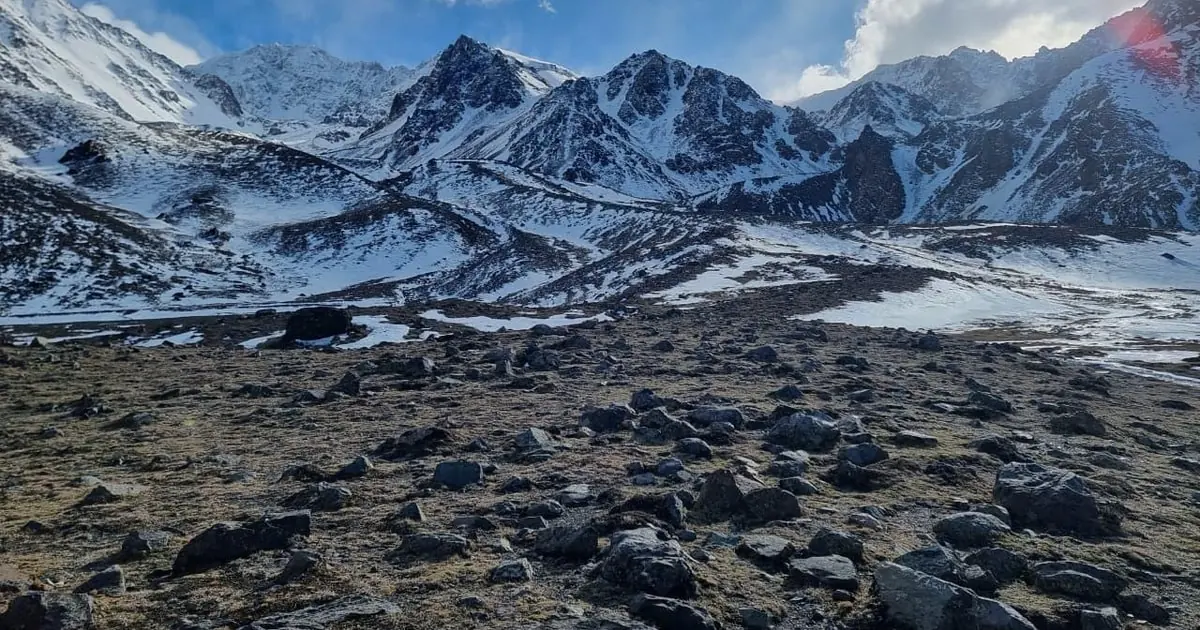
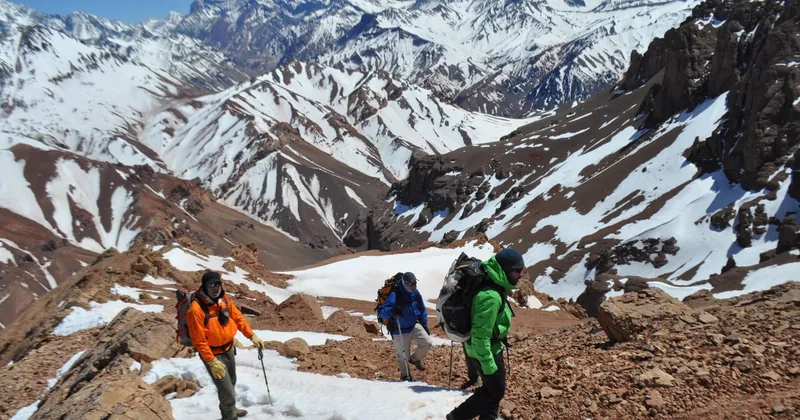
The Cerro Penitentes ascent is a 3-day trip from Mendoza: a trek up the Quebrada de Vargas to a base camp, then a summit day on a 4,351 m peak facing Aconcagua's South Face, with certified guides, full board and shared tents. A modest first Andean summit, and a real test of how you handle altitude.
Explore the Cerro Penitentes ascentFrequently asked questions
Is Aconcagua a technical climb?
Not on the Normal Route or the Polish Traverse: no rope work is needed in normal conditions, although crampons and an ice axe are carried. The Polish Glacier Direct and the South Face are technical routes.
Can a beginner hike at Aconcagua?
Yes, at the hiking levels. A beginner in good health can walk the Laguna de Horcones loop, and a fit beginner can do the Confluencia day hike. The summit is not a beginner's objective: build experience at altitude first.
Do you need a guide to climb Aconcagua?
A guide isn't legally required for the Normal Route, but most climbers go with a licensed outfitter; the 7-day base-camp trek must be done with one, and the day and 3-day treks need no guide. Check the current season's rules on the park website before booking.
Is the Confluencia hike hard?
It is a long day rather than a hard one: 6 to 8 hours return on a clear path with about 500 m of height gain. The altitude, up to about 3,400 m, is what most people notice, so walk slowly and drink plenty.
Ready to book
Choose your day
Check your date and the live price on GetYourGuide; the refund terms are shown on each option.
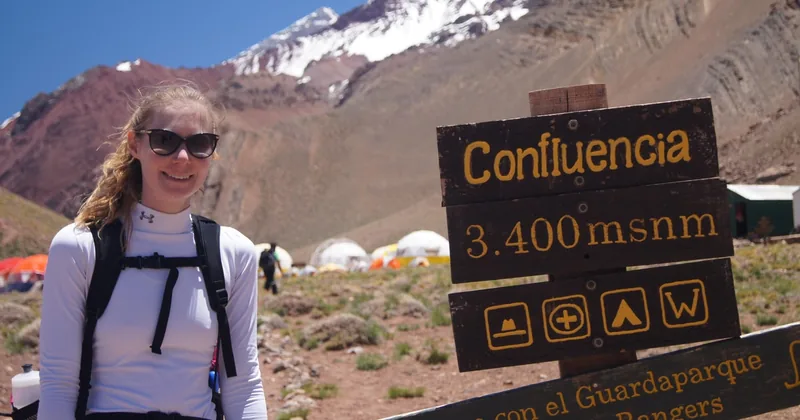
Aconcagua Confluencia Camp Hike
- Private return transport from Mendoza with a driver
- A professional mountain guide with Aconcagua experience
- The guided hike to Confluencia camp and back
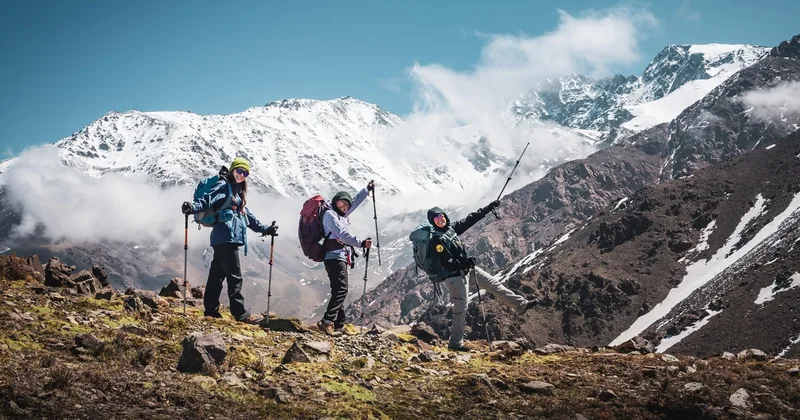
Cordón del Plata Full-Day Hike
4 to 6 hours on foot in the Vallecitos valleys, a good first test of altitude
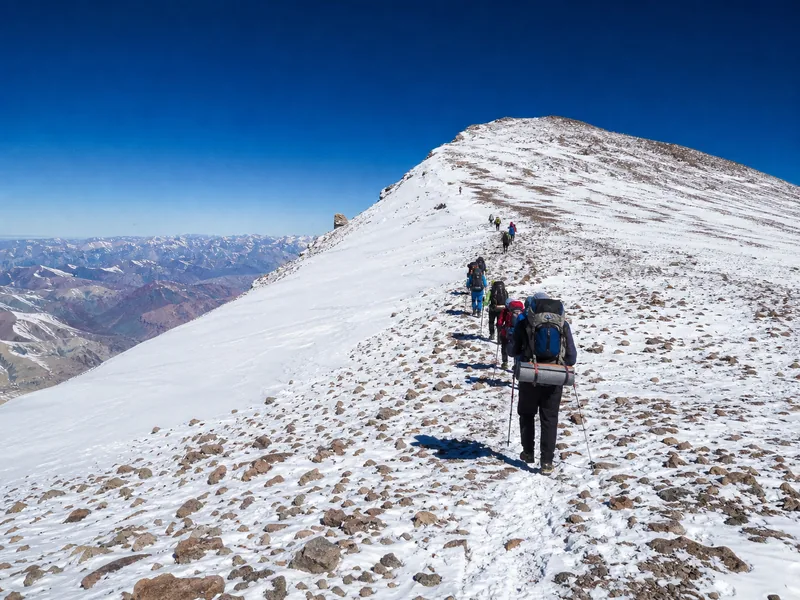
Aconcagua Normal Route Expedition
- Mountain guides and their expenses
- Meals, tents, mules and cooking gear
- Transport from Mendoza and back